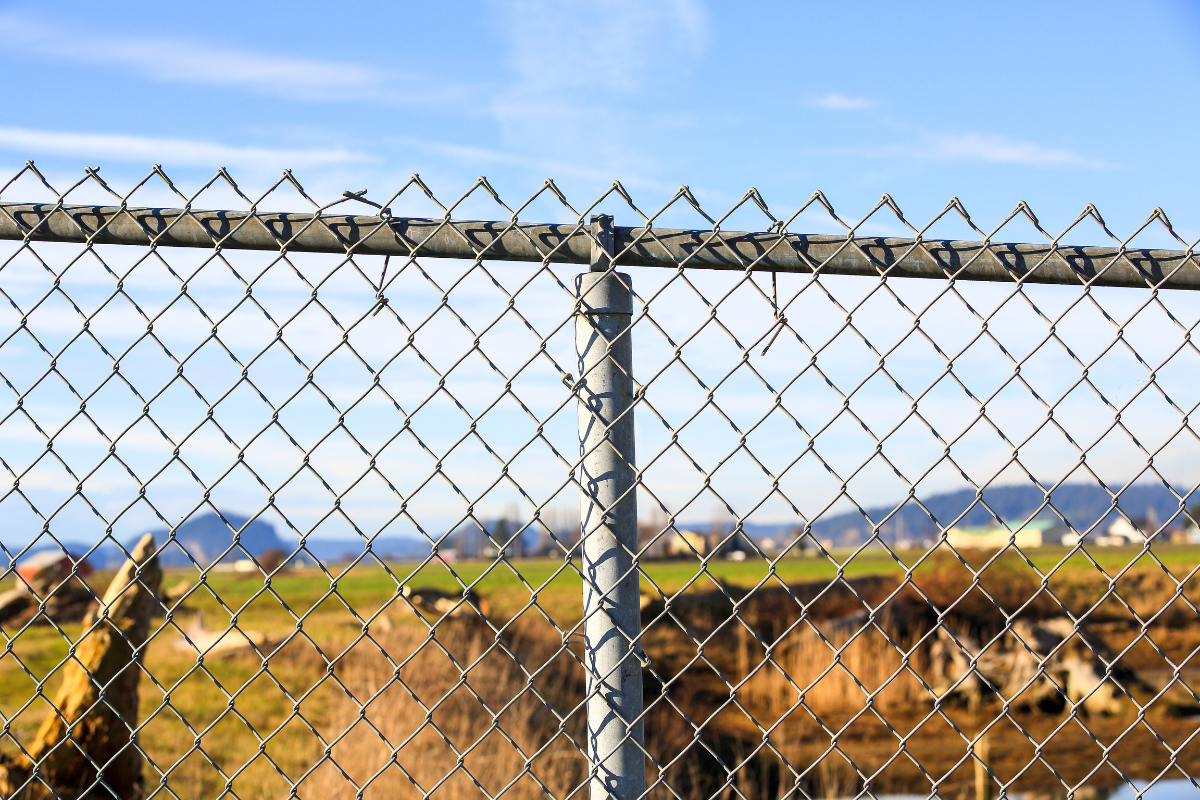
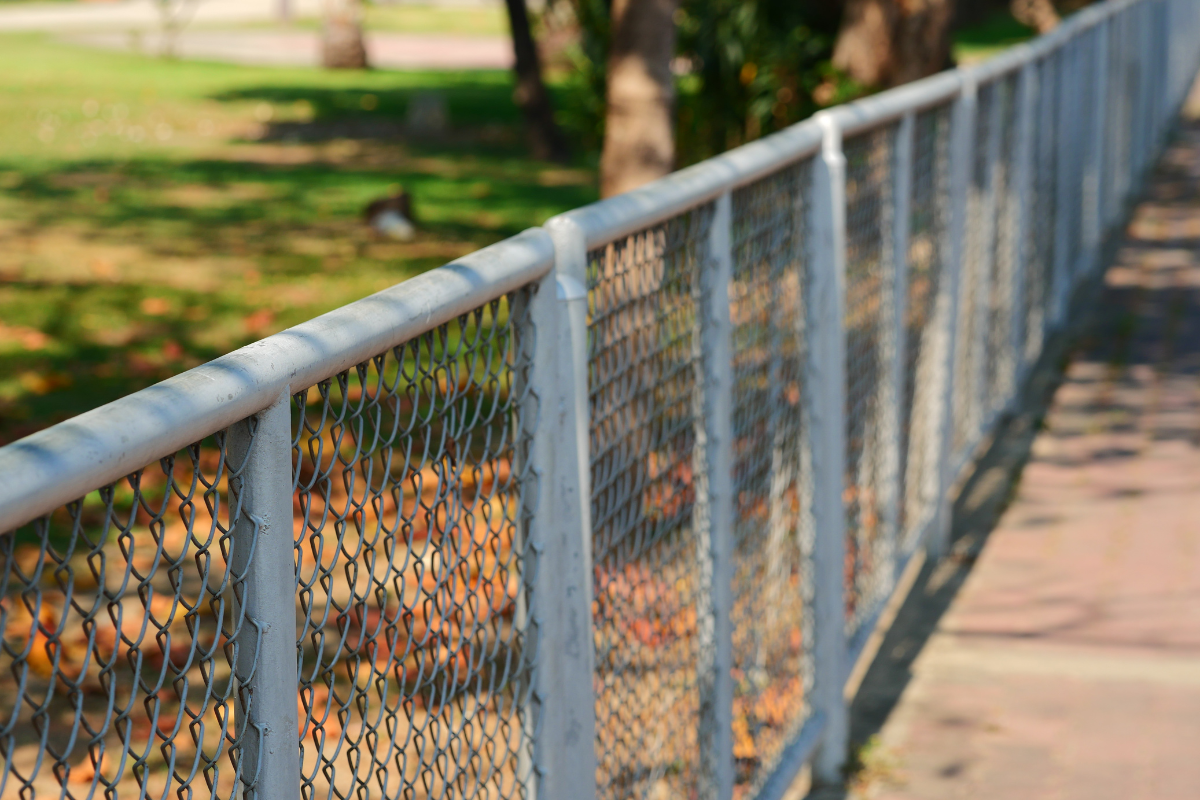
Chain link fencing earns its keep the old fashioned way, with reliability, speed, and value. It protects job sites without strangling the budget, corrals pets without blocking sightlines, and secures commercial yards that need airflow and visibility. Done right, it lasts decades with modest upkeep. Done poorly, it sags by the first winter, rusts at the fittings, and becomes a headache. The difference lives in the details that aren’t obvious at first glance: concrete depth matched to soil and frost, tensioning technique that holds up under wind, and material choices that align with real conditions on the ground.
I have spent long days in sun and sleet setting posts, tightening fabric, and troubleshooting repairs after storms. The best compliment a crew can get is silence months later, no callbacks, no wavy top rails, no loose gates. If you’re weighing chain link fence installation for a home, school, or business, or shopping for a chain link fence contractor, the following guide cuts through marketing and gets to the trade work that determines performance and longevity.
Where Chain Link Fencing Makes Sense
When a property needs security without a wall, chain link delivers. You can see what is happening on both sides, a safety advantage for playgrounds, loading areas, and athletic fields. The cost per linear foot is generally lower than wood or ornamental steel, especially at taller heights. It’s also adaptable. On a single run you can combine standard fabric with privacy slats near a patio, add bottom tension wire where pets try to dig, and use barbed arms for a utility yard.
I recommend chain link for daycare yards that need visibility for licensing, for HVAC enclosures that demand airflow, for dog runs that take abuse, and for long property lines where budget controls scope. It remains the go-to for municipal ballfields and industrial perimeters because crews can repair a section quickly after damage without tearing down a full panel system.
There are cases where chain link is not the best choice. Beachfront lots with salt spray will corrode bare-galvanized components unless upgraded to heavy galvanization and vinyl-coating. Decorative front yards in historic districts may face design restrictions. For sound attenuation near busy roads, solid fencing performs better. A good chain link fence company will say so and propose alternatives or enhancements instead of forcing a one-size-fits-all package.
Materials That Decide Service Life
All chain link isn’t equal. The fence you see from the curb hides a lot of metal decisions: coating, wire gauge, pipe schedule, and fittings. Those choices decide whether you are replacing a corner post in eight years or cleaning it for another decade of use.
Galvanized fabric starts with zinc-coated steel wire woven into the familiar diamond. Heavier galvanization, measured by weight of zinc per square foot, resists rust longer, especially where humidity or de-icing salts are present. Vinyl-coated fabric adds a polymer jacket over the galvanized wire. It looks cleaner, offers richer color, and gives extra corrosion resistance, though direct impacts can nick the coating. In snowbelt regions or near splash zones from winter traffic, I lean toward vinyl-coated fabric with matching coated ties and tension wire.
Wire gauge matters. For residential boundaries where people seldom lean or climb, 11 or 11.5 gauge is common. For commercial perimeters and athletic facilities, 9 gauge fabric with a 2-inch mesh holds shape and takes hits. You can feel the difference when you try to flex the diamond by hand. If a salesperson quotes low per-foot pricing without stating gauge, ask. You might be comparing apples to pears.
Posts and rails bear the load. Most residential installations use 16-gauge or Schedule 20 tubing. For high-wind areas, school yards, or 8-foot fences, I prefer 15-gauge or Schedule 40 pipe for terminal posts and gate posts. The top rail takes lateral forces from wind and leaning; heavier rail stays straighter over long spans. If a job has long unsupported straight runs, I add mid-braces or switch to top rail splices with internal sleeves that don’t loosen.
Fittings and hardware set the tone for longevity. Pressed steel tension bands deform under repeated retensioning, while malleable or cast fittings hold shape. Aluminum ties corrode slower than steel but can break under rough use. Stainless steel hardware interacts better with vinyl coatings and reduces galvanic issues. These aren’t glamorous details, but they do prevent rattles, squeaks, and streaks of rust at every connection.
Finally, gates deserve separate attention. Many complaints trace back to sagging or binding gates. An improved hinge with adjustable bolts, a proper frame welded square, and a post set deep enough to counter torque will spare you from the daily push-and-lift routine. For double drive gates, a drop rod sleeve concreted at both ends keeps alignment precise even after frost cycles.
The Ground Truth: Foundations, Frost, and Load
Most chain link fence installation problems trace back to the ground, not the fabric. A post set in shallow concrete looks fine until the first freeze-thaw or the first storm. Soil type and climate should dictate hole depth, diameter, and concrete mix.
Clay holds water, and water moves when temperatures swing. In regions with frost, the footing must extend below the frost line to resist heaving. In my practice, 30 inches is a minimum for residential in moderate climates, but I will push to 36 inches for gate and terminal posts and deeper for the North. In sandy soils, wider holes with bell-shaped bottoms prevent uplift. On rocky terrain, core drilling into bedrock and pinning with rebar epoxy anchors can beat a jackhammer day as a long-term fix.
Concrete should be proportioned, not guessed. A dry-bag pour with hose water can work for line posts in arid climates, but I prefer mixed concrete with a workable slump that fully encapsulates the post and displaces air. Crown the top of each footing so water sheds away from the post. I set posts slightly proud and rotate the weld seam away from the fabric side to reduce snag points and corrosion risk at ties.
One detail that separates solid chain link fencing services from slapdash crews is terminal post alignment and bracing. Every turn and end uses tension bands, a tension bar, and often a brace and truss rod to prevent the pull of the fabric from tilting the post. A 90-degree corner concentrates loads. Without a brace, the corner leans within a season. I build a brace panel from the terminal to the first line post with a horizontal rail and a truss rod drawn tight. It looks subtle, but it holds.
Installation, Step by Step, With Field Notes
A fence run lives and dies by layout. I pull property pins before any hole gets dug and string two lines: a tight baseline set at finished grade and a second line offset to keep the crew honest about straightness. Measuring twice avoids expensive encroachments. Gates get staked first so the rest of the line accommodates their swing and clearances. A 4-foot walk gate needs about 48 inches plus hinge allowance and latch hardware space, not just the panel width.
Holes come next. I mark centers with paint, account for the actual gate leaf widths, and confirm spacing. On slopes, I decide early whether the fence will step or follow the grade. Following grade looks cleaner on gentle slopes and keeps a continuous top line. Stepping suits steeper hills or when fabric height must remain consistent against a level reference. For pet containment, I tighten bottom tension wire and, in some yards, trench a shallow V to bury it an inch or two, a trick that frustrates diggers.
Setting posts is the quiet craft part. I align each post to the string with a torpedo level and a practiced eye. Plumb and true is the goal, but on long runs across varied ground I will bias the top slightly into the expected fabric tension. Gate posts get extra depth and concrete, then a rest period. Let that concrete cure. Resist the urge to hang a heavy gate the same day.
Top rail and fittings go on while concrete sets. I prefer swedged rails that insert end to end for fewer couplings. Each terminal receives its tension bands and cap, all oriented consistently. Small habits add up to a tidy finish, like clocking all carriage bolts the same way and cutting excess bolt threads to avoid snagging jackets or dog collars.
Fabric tensioning makes or breaks the look. I stand the roll upright, unspool along the line, and weave in or out a picket to adjust length. A tension bar through the end links, pulled by a come-along anchored to a braced post, draws the fabric tight without stretching it. Too loose, and the diamonds sag under the first climb. Too tight, and you deform the mesh and stress fittings. There is a sweet spot where the fabric gives a clean drum sound when tapped but still shows square diamonds. I secure the fabric to line posts with evenly spaced ties, avoiding the temptation to over-tie, which can trap tension and deform the run.
Gates come last. I hang them plumb, set hinge gaps for expansion, and align the latch at a height that suits the user. On walk gates for a yard with kids, I install a self-closing hinge and a two-stage latch. For drive gates, I ensure both leaves stand without the drop rod, then set the keeper so it catches smoothly every time.
Choosing a Chain Link Fence Contractor Without Guesswork
You can learn a lot in 10 minutes with a prospective chain link fence contractor. Ask them about soil conditions in your neighborhood and listen for specifics. If they can’t describe frost depths or talk intelligently about wind loading on a 6-foot privacy-slatted fence, keep looking. Request material specs in writing: wire gauge and mesh size, galvanization class, pipe schedule, and the brands of fittings. A reputable chain link fence company will not balk.
Their schedule tells a story as well. A contractor who can start tomorrow in peak season might be a gem, or they might be between crews. Ask for three local addresses of jobs installed at least two years ago and drive by. Look for straight top lines, firm corners, and gates that sit square. If you see wavy rails or leaning posts, odds are the same crew will show up at your place.
Price should include permits if your city requires them, utility locates, disposal of spoils, and cleanup. Watch for exclusions that become change orders, like rock excavation or haul-off fees. Honest contractors put those contingencies in the proposal with reasonable unit prices.
Common Mistakes and How Professionals Avoid Them
The first common mistake is shallow footings. Posts that rock in the hole can feel fine on the day of install. Come spring, they lean. Pro crews size footings for local frost and wind. You should see deeper holes at corners and gates, wider diameters in sandy soils, and proper concrete crowns.
Second, poor tensioning. Wrinkles at the terminal, diamonds that change shape near ties, or a fence that drums in one section and sags in another all point to uneven tension. A crew that uses a tension bar and a come-along, blocks the pull to avoid bending the post, and ties in a measured sequence won’t leave that series of sins behind.
Third, overlooking drainage. Fence lines across swales act like silt traps. After the first storm, sediment builds and holds moisture against the fabric, accelerating corrosion. I cut a small rise in the run across low points or select taller fabric for a gentle arch that preserves flow.
Fourth, gate planning. A gate that swings uphill scrapes and wears. I set gate hinges to match grade, and where the grade rises sharply, I will propose a smaller gate or change the fence line to a flatter approach. On commercial sites, I specify adjustable hinges and keeper hardware that tolerates slight shifts over time.
Repairs: When to Fix, When to Replace
Chain link fence repair can be as simple as replacing bent top rail or as involved as re-tensioning a large section of fabric. After a branch fall, I cut out the damaged fabric and weave in a patch with new wire, matching gauge and coating. The invisible repair is the standard you want.
Rust at the base of posts is trickier. If the galvanization failed or the soil chemistry is aggressive, you might see a rust ring three inches above grade. Catch it early, and you can sleeve or replace the post. If more than a third of the post wall is compromised, replacement is safer. For long runs with sporadic rust, I evaluate drainage and may propose gravel collars or improved grading.
Gates that sag can sometimes be tightened with hinge adjustments, but if the gate frame is racked or the post sank, the fix is structural. I have straightened many with a turnbuckle brace added inside the frame, but that is a bandage. Resetting the post deeper with new concrete and installing sturdier hinges solves the root cause.
Vandalism often targets fabric with bolt cutters. For high-risk sites, upgrading to smaller mesh size, using heavier gauge wire, and installing bottom rail or tension wire reduces easy access. The ultimate step is a welded wire panel system, but many clients prefer to keep chain link and accept periodic repairs as part of the operating landscape.
Privacy, Security, and Aesthetics: Getting the Balance Right
Chain link can do privacy, but it needs help. Slats add color and screening, and they temper wind differently than solid wood. The additional surface area, however, raises wind load. If you plan to use full-coverage slats, step up post and rail sizes, reduce post spacing if necessary, and pay extra attention to bracing at corners and gates. In gusty corridors, I sometimes recommend 75 percent coverage slats to keep airflow and reduce stress.
For security, the conversation starts with height and ends with deterrence layers. A 6-foot fence with three strands of barbed wire angled out at 45 degrees changes behavior. So does tying the bottom with tension wire or a bottom rail and driving stakes in areas where digging is common. On warehouses that back to alleys, we add anti-climb mesh with a smaller diamond near the top six feet. Cameras see through chain link easily, a quiet advantage over opaque fencing.
Aesthetics matter more than many assume. Black vinyl-coated systems blend into green landscaping and look cleaner against modern architecture. Silver galvanized reads industrial but crisp if kept straight and true. Coordinating gate frames and latch hardware elevates the whole run. I’ve installed black fabric with matching posts along a contemporary home where the fence all but disappeared behind shrubs, exactly what the owner wanted.
Timelines, Costs, and What Drives Them
For a straightforward residential project of 150 to 200 feet at 4 or 5 feet high, a two-person crew typically completes installation in two days, not counting cure time for heavy gates. Add a day if rock or roots are expected. Commercial perimeters with vehicle gates and higher fabric scale up with crew size, but the pacing principle stays the same: layout and holes first day, posts set and rails second, fabric tension and gates last.
Costs swing with material choices. Plain galvanized 11.5 gauge at 4 feet high costs far less per foot than 9 gauge black vinyl at 6 feet with privacy slats. Upgrading just the gate posts and hinges is a smart spend that barely moves total price but pays back in daily use. Transport, disposal fees, and permit costs add overhead. In my estimates, I separate materials from labor so clients see what choices affect what.
If you collect bids, give each chain link fence company the same scope: exact footage, height, fabric type, slat coverage if any, gate quantities and sizes, site conditions like rock or tight access. You’ll get cleaner comparisons and avoid low bids built on lighter materials.
Maintenance That Actually Works
Chain link doesn’t ask for much, but what little it needs pays off. A quick hose-down in spring removes salt and grit. Check ties and tension bands annually, especially after storms. A dab of zinc-rich paint on scratches keeps rust from creeping. Lube hinges with a light oil, not grease that attracts grime.
Vegetation is the hidden enemy. Vines seem charming in the first year, but their weight and moisture trap accelerate corrosion and pull fabric out of square. Trim them back or set a planting line a foot off the fence. At the bottom, keep mulch from burying the fabric or coating must absorb constant wetness.
Where pets test fences, add a bottom tension wire and, if necessary, a narrow concrete mow strip. It is cheaper than repeating repairs and turning every morning into a dog chase.
What Sets a Reliable Crew Apart
You’ll recognize a disciplined chain link fence contractor by the state of their truck and their questions. They will ask about utilities, confirm property lines, and talk you through gate usage before touching a shovel. On site, they keep hardware sorted, cut rails clean, and coil scrap wire instead of leaving it in the grass. They won’t hang a heavy gate on green concrete, and they’ll call you over to test the latch before packing up.
A good crew leaves behind tiny tells: consistent bolt orientation, evenly spaced ties, and footings you barely notice because the grade is restored. Weeks later, the fence still looks straight after rain settles the soil. Months later, you realize you haven’t thought about the fence at all, which is the best review an installer can https://maps.app.goo.gl/p3n7oNXBtBFzjn2WA get.
Bringing It All Together
Chain link fencing is honest work and honest value. The system rewards careful planning and punishes shortcuts. Whether you’re scheduling a new chain link fence installation, calling for chain link fence repair after a storm, or evaluating proposals from a chain link fence company, focus on the fundamentals: proper foundations, appropriate materials, and clean tensioning. Ask the questions that reveal experience, not just price, and insist on specifications in writing.
When the right choices are made up front, your fence becomes one less thing to manage. It holds straight through seasons, the gates swing smoothly year after year, and you stop thinking about whether the dog will escape or the warehouse yard is vulnerable. That peace of mind is the real product of the best chain link fencing services, and it’s worth getting the details right.
Southern Prestige
Address: 120 Mardi Gras Rd, Carencro, LA 70520
Phone: (337) 322-4261
Website: https://www.southernprestigefence.com/